One number to call
One line for bed bug treatment calls.
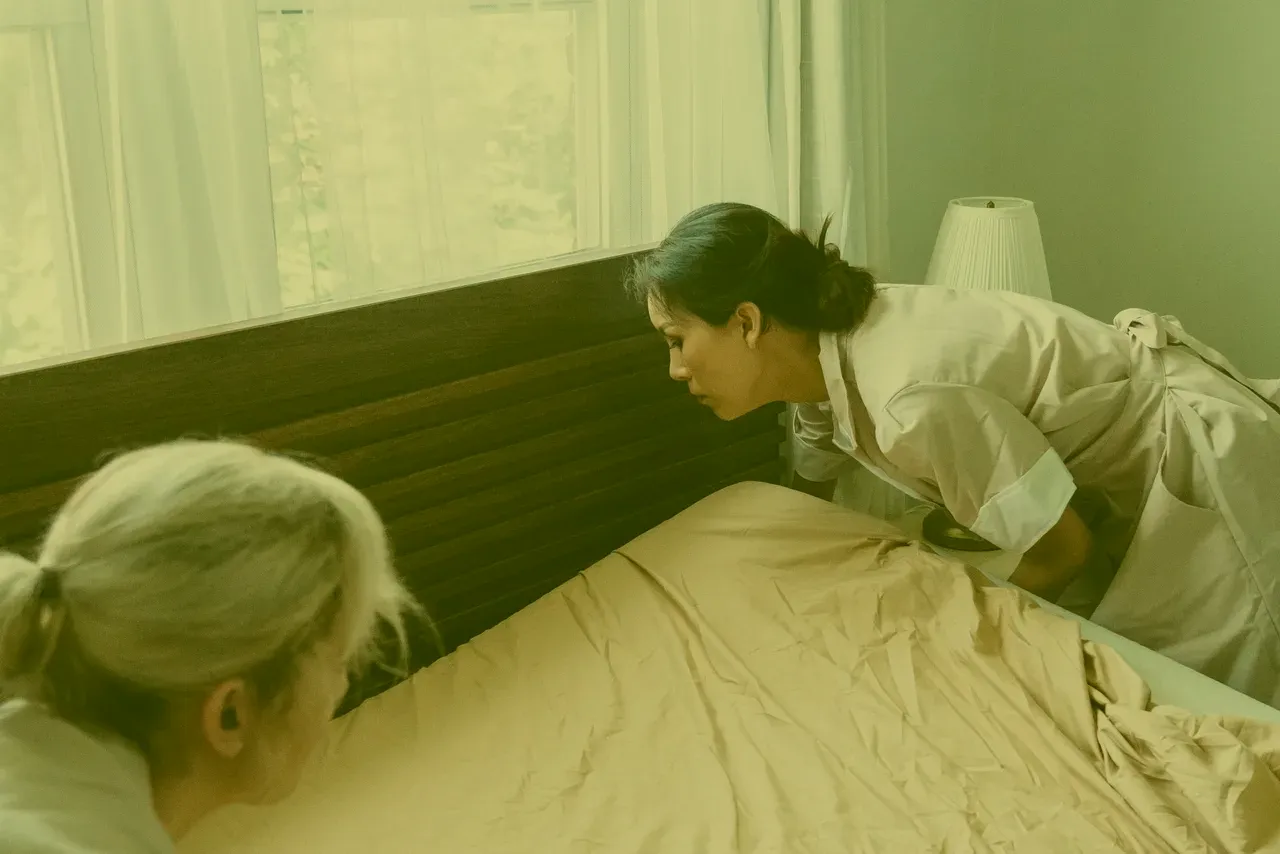
Bed bug heat treatment in Broken Arrow is one method local providers use when bed bugs have spread through a bedroom or a whole unit. OSU Extension notes that professionals using heat raise the house or apartment to around 130 degrees F, and a provider holds that heat long enough to reach mattresses, box springs and furniture. Calls to this line are connected with an independent local provider who can inspect first and explain whether heat fits your home.
One line for bed bug treatment calls.
Providers typically inspect before setting a price.
Calls go to providers serving Broken Arrow.
Look up a company in ODAFF AGLook.
A heat job is normally scoped from the inspection, so ask the provider what is covered before work starts. Most plans describe the heat cycle, checks afterward and any follow-up. Extras such as encasement covers or a residual product are often listed separately, so ask.
The provider heats each affected room toward the target temperature and holds it there for a set period. Electric heaters, fans and temperature sensors usually stay in place until readings show the coldest spots in the room have caught up with the rest.
Mattresses and box springs are common hiding spots. Providers often stand them on edge or separate them so heat moves through, then check seams and piping afterward. Ask whether encasement covers are part of the plan, since they can trap any survivor.
Beds are usually pulled from walls, closets opened and dressers, nightstands and sofa frames exposed to airflow. Outlet plates and baseboard gaps get attention too, because bed bugs tuck into these narrow spaces where heat and sprays struggle to reach.
After the room cools, many providers re-check the spots where activity was found and place monitors under beds or along baseboards. Ask what records you will receive, such as a list of rooms treated and the temperatures reached during the visit.
Many providers schedule a return visit some weeks later to check monitors and re-inspect treated rooms. Ask the provider when that visit happens, whether it is part of the price, and what they do if live activity turns up again.
Describe what you are seeing and hear the next step from a local provider.
Bed bug heat treatment in Broken Arrow is a method that raises the temperature of an infested room or unit and holds it for several hours so heat can reach bugs and eggs where they hide. OSU Extension describes professionals heating a house or apartment to around 130 degrees F. Providers typically use electric heaters, fans and sensors to check that the heat reaches inside mattresses, box springs, furniture frames and baseboards, not just the air in the middle of the room.
Broken Arrow's housing explains why the method choice matters. About 28 percent of occupied homes in the city are rented, and 13.5 percent of housing units sit in buildings with five or more units, where bed bugs can move along shared walls. A spray in one unit may miss eggs behind outlet plates and inside bed frames. Ask the provider whether adjacent units should be inspected too. Ask the provider how long the job will likely take for your rooms.
It usually starts with a room-by-room inspection of mattress seams, box springs, bed frames, headboards, nightstands and baseboards. Some providers use detection dogs or other tools; ask the provider what they use. The inspection should give you a clear answer on scope before any price is set.
The provider usually hands over a prep list: wash and bag clothing, clear floors, pull beds from walls, and remove heat-sensitive items like candles, medicines, electronics and aerosols. Their own sheet always takes precedence, so follow it and ask about anything that is unclear.
Technicians typically place electric heaters, fans and remote temperature sensors in each treated room. Doorways may be sealed and cold areas noted before the heat climbs. Setup time depends on the layout, so ask the provider how long it runs for your home.
The room is brought up toward around 130 degrees F and held there for the period the provider sets, which depends on room size and clutter. Remote sensors let technicians watch corners without opening doors and losing heat. Ask how long the hold lasts in your rooms.
Once the room cools, providers commonly re-check the same spots, set monitors, and may suggest encasement covers on mattresses and box springs. Many schedule a follow-up visit some weeks later to look for new activity. Ask what happens if anything shows up then.
Heaters sized to the room volume. Providers place them to spread heat evenly and avoid hot spots that could harm electronics, artwork or finishes.
Used before and during the job to find cooler areas behind baseboards, inside wall gaps and under mattress seams where bed bugs hide.
Placed in the coolest corners of each room so the provider can see that the target temperature is held without opening the door.
Some providers use a trained dog or a thermal camera during inspection. This site does not; ask the provider which tools they use.
Often used on mattress seams, bed frame joints and sofa piping as a targeted supplement to the room heat cycle.
Providers may vacuum cracks, seams and baseboards before heating to remove debris and live bugs without spreading them through the room.
Placed under bed legs and along baseboards after treatment. They can catch any survivor and give a clearer read at the follow-up visit.
The room is raised to around 130 degrees F, per OSU Extension, and held for a period the provider sets. This is the core of the method. Sensors help confirm the hold in the corners, not just the center of the room.
Before calling a room done, providers commonly check walls, furniture and mattress seams for cooler spots. A cool area may get more heat or a targeted steam pass. Ask how the provider confirms every spot has reached temperature.
Mattress and box spring encasement covers can trap any survivor inside. Interceptors under the bed legs catch bugs trying to climb back up. Together they help a household watch for activity well after the heat visit.
Many providers pair heat with a residual product applied to cracks, baseboards and void edges after the heat cycle. Professional products require application by a licensed applicator, per OSU Extension. Ask what will be used and where.

A provider can inspect the unit, confirm whether live activity is present and explain whether heat makes sense. In a multi-unit building, the owner or manager usually needs to be involved, since adjacent units may need checks. Report the problem in writing, keep dates and photos, and follow the prep sheet you are given.
The provider may treat the affected side with heat and inspect the shared wall from both units. Ask how they check that heat reached the wall void where bugs travel. Monitors along the shared wall can show whether activity continues on either side.
A provider may heat the bedroom along with the furniture, then suggest interceptors under the legs and encasement covers on the mattress and box spring. Whether the piece can be kept is the provider's call after inspection. Interceptors give you an early warning if activity returns.
A provider can inspect the room or workstation, treat the affected area and check adjoining spaces. Ask about scheduling that keeps guests and staff away while work runs. For hotels, note that the state lodging rule OAC 310:285 includes bed bugs in its definition of infestation.
Broken Arrow's homes shape how a heat job is planned. The median home in the city was built in 1994, about 19 percent of units date from 2010 or later, and 26.3 percent were built before 1980, so a provider may meet anything from older homes to newer subdivisions. Apartment buildings bring a different problem: shared walls and utility chases give bed bugs a path between units, so providers often ask about adjacent units and may set monitors in hallways. Bed bugs are an indoor pest all year, so there is no off season to wait for. Each home's layout, clutter and furniture change how heaters and fans are placed. If you rent or manage a multi-unit building, ask about coordinated scheduling. Calls to this line are connected with an independent local provider, and that provider sets the inspection time.
Downtown homes and mixed buildings in ZIP 74012, where shared walls can let bed bugs move. Ask about inspecting both sides of a shared wall.
Homes in south Broken Arrow, ZIP 74011. Larger rooms and full closets can hold cool spots, so clearing floors before the heat visit helps.
Neighborhoods in ZIP 74012. After the inspection, ask the provider which rooms need heat and how the job is planned.
Ridgeway Heights, Oak Creek South and Sun City, in the Broken Arrow part of 74014. Ask about scheduling if more than one home is affected.
Bed bugs live where people sleep and travel, so there is no bed bug season. They hide in suitcases, backpacks and clothing, per OSU Extension, and spread through trips and moves.
Plumbing and electrical chases connect units. Providers may inspect those chases and set monitors in hallways so bugs do not simply walk back into a treated unit.
Packed closets and crowded floors block airflow and slow the heat-up of some rooms. Providers still check temperatures in the coolest spots before calling a room done.
Used sofas, mattresses and dressers are a common way bed bugs arrive. Inspect them before they come inside, and tell the provider about any recent pieces when you call.
A tenant finds live bugs on both mattresses and along the baseboards. The landlord has sprayed twice, and new bites keep appearing a couple of weeks later. The unit shares a wall with another apartment, so the neighbor may be affected too.
A provider would typically inspect the unit, then heat the bedrooms and living room to around 130 degrees F, check that baseboard gaps reached temperature, and set monitors. The follow-up visit shows whether activity remains.
Afterward: Encasement covers on mattresses and box springs, interceptors under the bed legs, and regular monitor checks as the provider advises.
A family has bites on several people and finds bugs in a secondhand dresser. They have a newborn and want to limit chemical use in the house. Two bedrooms and a hallway closet show signs of activity.
A provider may heat both bedrooms and the closet, treat the dresser in place and check temperatures in the coolest spots. Mention the newborn on the call so the provider can explain which products, if any, will be applied.
Afterward: Monitors in both bedrooms, interceptors under the crib and bed legs, and a follow-up inspection when the provider schedules it.
Two units in a small building report bites in the same week. The owner suspects bugs are moving through a shared plumbing chase. An earlier spray-only approach did not stop the reports.
A provider may treat both affected units on one visit and inspect the others. Ask how they check heat reaching the shared chase. The follow-up inspection shows whether new reports are likely to stop.
Afterward: Monitors in each unit and the common hallway, plus encasement covers on mattresses as the provider recommends.
Bed bugs rarely stay in one room. They follow seams, outlets and shared walls. Here are situations Broken Arrow callers describe and how heat is often used.
Eggs that survive a spray can hatch a new generation, which is why many homes need more than one visit. Heat aims to reach the eggs as well as the adults when the room is held near 130 degrees F long enough. Many providers add a residual product and a follow-up check. Ask what the plan includes.
Treating one unit can push bugs into the next through shared walls and plumbing chases. With 13.5 percent of the city's housing units in buildings of five or more units, this comes up often. Providers commonly inspect adjacent units and may set monitors in hallways and common areas.
A used sofa or dresser can bring bugs into a clean home. Sprays on fabric may miss the frame interior where bugs settle. Heat can move through upholstery and frame gaps. Some providers treat the piece in place or in a heat chamber, then set interceptors under the legs.
Asthma, allergies or a newborn make some families wary of sprays, and delays let bed bugs spread. Heat can reduce how much product is needed, though many providers still add a residual. Tell the provider about health concerns so they can explain what is applied and when you can return.
Set by the provider after an on-site inspection
This site does not quote prices. The provider sets the cost after seeing your home, and the main factors are room count, clutter, furniture, how long the infestation has run and whether adjacent units are included. A heat job is a larger single visit than one spray, while a chemical plan often needs several visits, so ask the provider to compare the total for each method. Ask what the price includes, such as follow-up visits, before you agree.
Ask what the quoted price covers: the inspection, the heat cycle, checks afterward and any follow-up visit. Ask whether encasements or a residual product are extra so the total is clear.
Each treated room needs its own heaters, sensors and hold time. A small apartment is a shorter job than a larger house with a finished basement, which needs more equipment and more time on site.
Heavy clutter blocks airflow and creates cool spots. If closets, floors and under-bed areas are packed, the job may take longer or need extra heaters. Following the prep sheet helps the visit run smoothly.
In duplexes and apartment buildings, treating only the affected unit can push bugs next door. Including adjacent units raises the scope, so ask the provider and the owner how this is handled.
Mattresses, box springs and upholstered furniture need to be set up so heat moves through them. More pieces mean more setup and checking time. Encasement covers are often priced per piece.
Upper-floor apartments and buildings without close parking add carry time for heaters and cords. Ask the provider whether access affects the price so there is no surprise on the day.

This site is a referral service, not a pest control company. Before work starts, you can check a company's Oklahoma pesticide business license in the Oklahoma Department of Agriculture, Food and Forestry's AGLook search. OSU Extension notes that professional bed bug products require application by a licensed applicator and that a combination of methods is a must. Ask the provider you are connected with how they plan heat for your home, whether a house in Indian Springs Estates or an apartment near the Rose District, and how they size the equipment.

A parent finds bugs on a child's mattress weeks after an earlier spray and wants to know what happens next. A provider would typically inspect both bedrooms, explain the scope and the price, and describe how heat is set up across the upstairs. The caller should expect a prep sheet and a follow-up visit to be discussed.
A landlord with a small multi-unit building has bugs reported in two units. The provider may suggest treating both units on one visit and inspecting the others. The landlord should ask how heat reaching the shared wall is checked and how tenants will be told about prep.
A renter with asthma in a one-bedroom apartment wants to limit chemicals. The provider can explain whether heat fits, what product if any is added, and when the unit can be used again. The renter should report the problem to the landlord in writing.
Heat itself leaves no residue, but the treated rooms get far too hot for animals. Providers usually ask you to remove pets, houseplants and fish tanks during the heat cycle, because the room is raised to around 130 degrees F. If a residual product is applied afterward, ask the provider when pets can safely return and what was used. Follow the provider's instructions on timing.
It depends on the number of rooms, the clutter and the furniture. Many heat jobs fit within one working day, while larger homes take longer. The heat-and-hold phase is the core of the job. Setup and cool-down add time. Ask the provider for a time window for your home when you schedule the visit.
Heat is used because it can reach eggs as well as adults when the temperature is held long enough. OSU Extension describes professionals heating a home to around 130 degrees F, and also says a combination of methods is a must. That is why many providers add a residual product and a follow-up visit.
This site does not quote prices. The provider sets the cost after an inspection, based on room count, clutter, furniture, how long the infestation has run and whether adjacent units are included. Ask what the price covers, including follow-up visits, so the total is clear before work starts.
Not seeing your question? Call the referral line to talk with a local provider about timing and next steps.
Ask a providerBefore any heat job, a provider usually inspects mattress seams, box springs, bed frames and wall gaps. Some use detection dogs; ask the provider. The inspection sets the scope and price for treatment.
View service
For light infestations or as a follow-up step, many providers apply residual products to cracks, baseboards and void edges. Many Broken Arrow jobs pair heat with a residual application, the combined approach OSU Extension supports.
View service
Multi-unit buildings near the Rose District and across Broken Arrow need coordinated treatment so bugs do not walk back through shared walls. Providers commonly treat the source unit, check adjacent units and set monitors.
View service
Some weeks after heat treatment, many providers return to re-inspect the same spots and check monitors. Ask what happens if live activity shows. This visit helps show whether the infestation is actually gone.
View serviceCalls to the number on this site go through a call-tracking service and may be recorded, then connect to an independent local provider that serves Broken Arrow. Lines are open 6 a.m. to midnight Central Time (7 a.m. to 1 a.m. during daylight saving time). The provider sets the inspection time and price.